
Specs are dead. Long live the spec! And the role of customer evidence.
Specs became executable. Customer evidence didn't. A 5-question evidence check for agent-written specs.
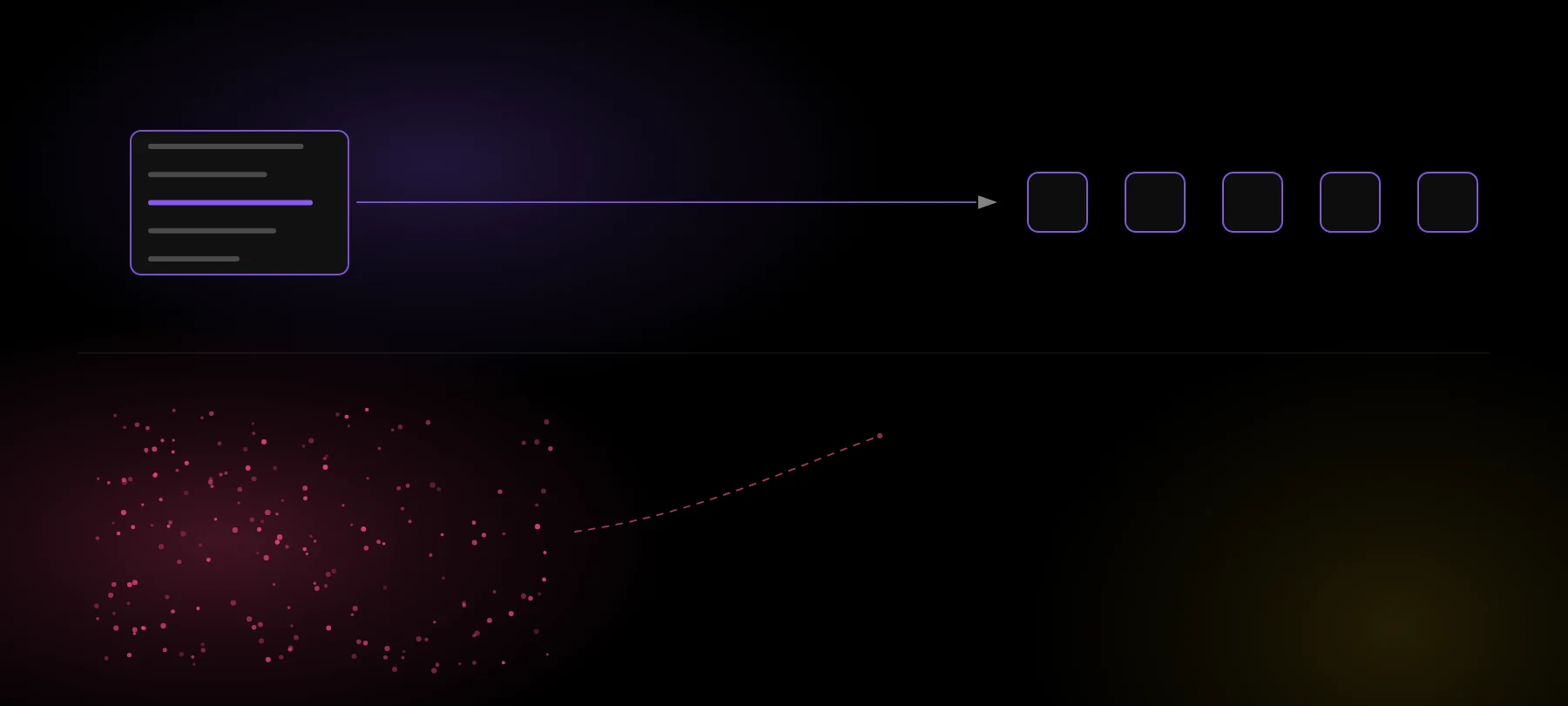
In the space of one week in October, the spec stopped being a document people read and became an input agents act on.
Figma announced Specs and Code Layers at Config India, putting Markdown PRDs and diagrams next to running, code-backed prototypes. ChatPRD shipped PRD scoring, which grades a spec on strategy, structure, clarity and completeness (source). Productboard Spark was reported to have an Auto-Accept mode that lets agents change up to 1,000 items without a confirmation for each one, and airfocus opened its roadmaps and priorities to read and write access over MCP (source).
That is real progress. Specs are getting more structured, more checkable and more connected to the code that implements them.
But look at what all of these tools check. Structure, completeness, consistency. Not demand. None of them asks whether the requirement in front of the agent is something customers actually asked for.
”Structure, completeness, consistency. Not demand.”
The gap: specs check structure, not demand
A well-formed spec can be wrong. It can describe, clearly and completely, a feature three customers mentioned once while the request forty customers keep raising sits in a call recording nobody reread.
When a person implemented the spec, that mistake had a natural brake. Engineers asked questions. Designers pushed back. The work took weeks, and the weeks gave someone time to notice.
Executable specs remove the brake. An agent reads the intent and builds it, quickly and confidently, whether the intent is right or not. GitLab’s playbook from the same week makes the shift explicit: the bottleneck has moved from writing code to reviewing and validating it (source). The review step that matters most is the one no spec tool runs yet: does this match what customers need?
Teams feel this already. A product manager at an SEO platform told us they had no stable way to maintain the context layer their agents work from. Context goes stale, and the agent keeps building against it.
A spec is the plan for your system. Customer evidence is the reason for it. If only the plan is machine-readable, agents will execute the plan and skip the reason.
”A spec is the plan for your system. Customer evidence is the reason for it.”
Evidence-backed specs
The fix is not another review meeting. It is making the reason as executable as the plan.
An evidence-backed spec ties each requirement to the customer evidence behind it, so anyone (or any agent) can drill down from a line in the spec to the conversations that justify it. In practice that means every requirement carries:
- The need it serves, in the customer’s language, not the team’s.
- How many distinct customers raised it, and which accounts they are.
- At least one citation, linking to the quote and the source call, ticket or note.
- What customers said would make it work, so acceptance criteria come from them, not from a guess.
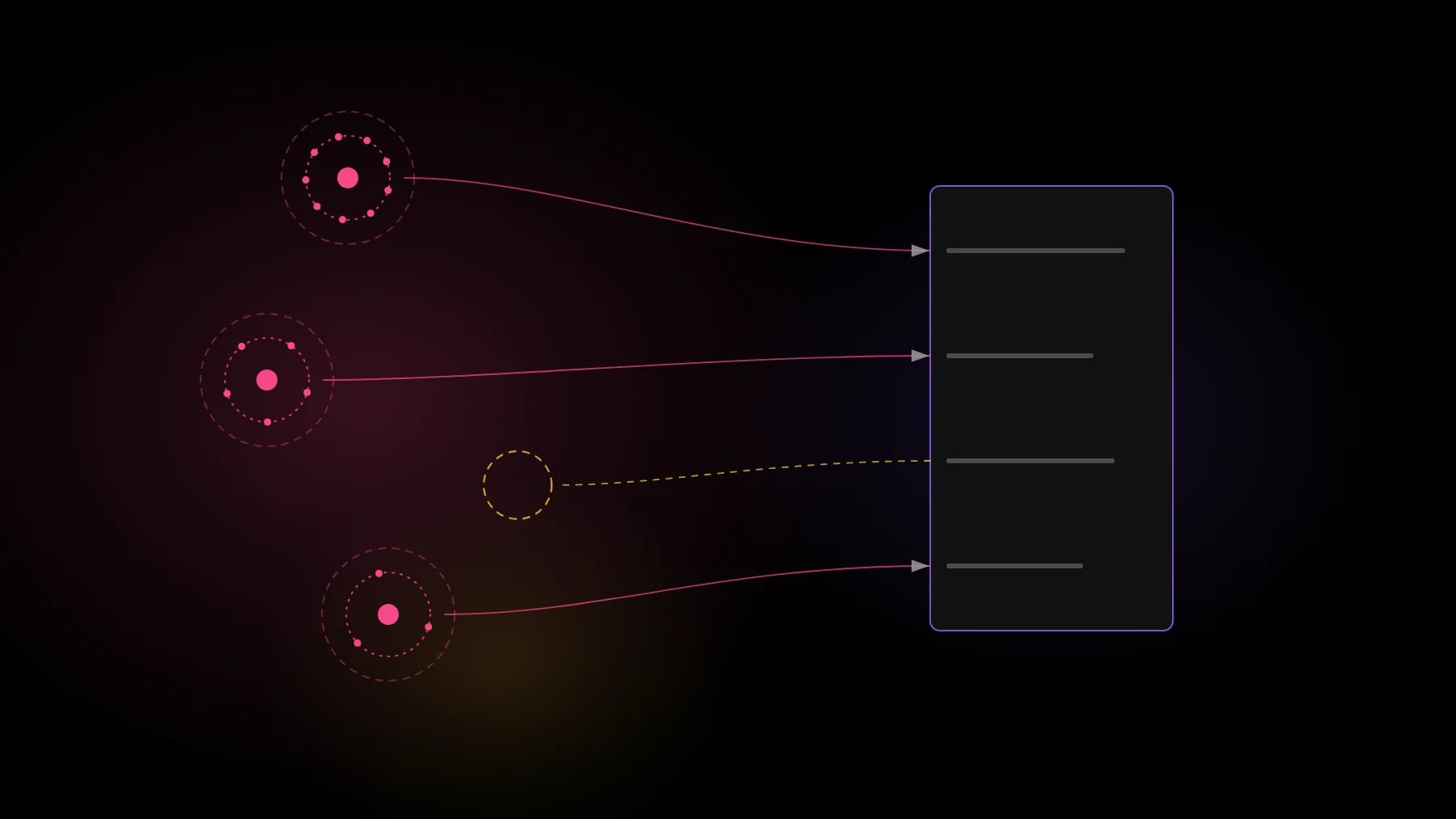
When an agent picks up an evidence-backed spec, it gets the plan and the reason in one place. When a reviewer looks at the agent’s output, they can check it against both.
A 5-question evidence check for any agent-written spec
You can run this check today, on any spec, whatever tool wrote it.
- Who asked for this? Name the customers or segments. If the answer is “it came up a few times”, you do not know yet.
- How many, and what are they worth? A count of distinct customers and the revenue behind them. A list of quotes is not a count.
- Can every requirement drill down to a source? Pick three requirements at random and follow each to a real conversation. If any dead-ends, it is an assumption, so label it as one.
- What did customers say done looks like? Compare the acceptance criteria with what customers described. Agents are good at meeting criteria, so make sure the criteria are theirs.
- What changed since the spec was written? New calls keep arriving. Check whether the need grew, faded or shifted before the agent starts building.
If a spec fails questions 1 to 3, it is not ready for an agent, however well it scores on structure.
Example
Here is how one requirement looks before and after the check. The numbers are illustrative.
Before:
Users can export reports to CSV.
Clear, testable, complete. A structure checker would pass it.
After:
Users can export reports to CSV.
- Need: finance and ops teams want to reconcile product usage with billing data in their own spreadsheets.
- Demand: raised by 14 distinct customers in the last 90 days, 5 of them in the top 20 accounts by revenue.
- Evidence: a citation to each call or ticket, down to the quote.
- Customers’ definition of done: the export matches the filters on screen and includes account IDs.
The second version tells the agent what to build and why. It also tells the reviewer what to check: an export without account IDs passes the old spec and fails the customer.
What to do this quarter
You do not need new tools to start. Three steps are enough:
- Pick one spec an agent will build next month. Run the 5-question check on it and note where it dead-ends.
- Add a “why” line to every requirement. Even a single citation per requirement changes the review conversation from “is this well written?” to “is this right?”
- Decide who owns the evidence. Specs have owners. Customer evidence usually does not, which is why it goes stale. Give it an owner, or a system that keeps it current without one.
Teams that do this find the same thing: most requirements hold up, a few turn out to rest on one loud customer, and one or two were never asked for at all. Catching those before an agent builds them is the cheapest product decision you will make all year.
Where Evermuse fits
Evermuse reads every customer conversation, ticket and note as it arrives and turns it into a structured, cited model of what customers need, with counts. Specs written in Evermuse carry that evidence on every requirement, and coding agents can pull it through MCP alongside the spec itself. Your spec tool keeps checking structure. Evermuse supplies the demand.
Want to see what an evidence-backed spec looks like on your own customer data? Book a demo.
FAQ
What should I put in a spec for coding agents? Clear, structured requirements, plus the customer evidence behind each one: the need, how many customers raised it, a citation to the source, and the customers’ own definition of done.
What is an evidence-backed spec? A spec where every requirement links to the customer conversations that justify it, with a count of distinct customers and a citation to the original quote.
Do spec scoring tools check customer demand? Tools like PRD scoring check strategy, structure, clarity and completeness. They do not check whether customers actually asked for the requirement, so that check needs customer evidence.